Why Using a Screen Printing Company is the Ideal Method for Ordering Custom Shirts
Custom shirts can serve many purposes, from promoting a business or organization to creating a cohesive look for employees, teams, events, and community groups. However, turning a design into apparel that looks polished and consistent requires more than simply selecting a shirt and uploading artwork. Working with an experienced screen printing company gives customers access to specialized knowledge, organized production methods, and guidance that can help their ideas translate effectively onto fabric. From choosing suitable garments to determining ink colors and design placement, professional support can make the ordering process more straightforward while helping the finished shirts achieve the intended appearance.
Producing Consistent Custom Apparel With Screen Printing
Careful Preparation Helps Create Better Results
A successful custom shirt project begins with preparation. Before printing starts, several details must be considered, including the garment style, fabric construction, shirt color, design dimensions, placement, and ink colors. Each decision can influence how the finished design appears and whether the artwork is suitable for the selected apparel. A professional screen printing company can help customers review these factors before production begins, reducing the chance of avoidable issues later in the process.
The design itself also deserves careful attention. Artwork that looks clear on a computer screen may not always produce the same result when transferred to fabric. Fine details, small lettering, large solid areas of ink, and certain color combinations may require adjustments based on the garment and printing method. By evaluating the design before printing, an experienced team can identify potential concerns and recommend changes that support a cleaner, more readable final product.
Preparation is also important when determining where artwork should appear on a shirt. A traditional left-chest design, a full front graphic, a sleeve print, or another placement can create very different visual results. The size and intended use of the garment should be considered alongside the design itself. When customers receive guidance from a screen printing company, they can make more informed decisions about placement and proportion rather than relying solely on a general image preview.
Flat Printing Surfaces Support Clearer Designs
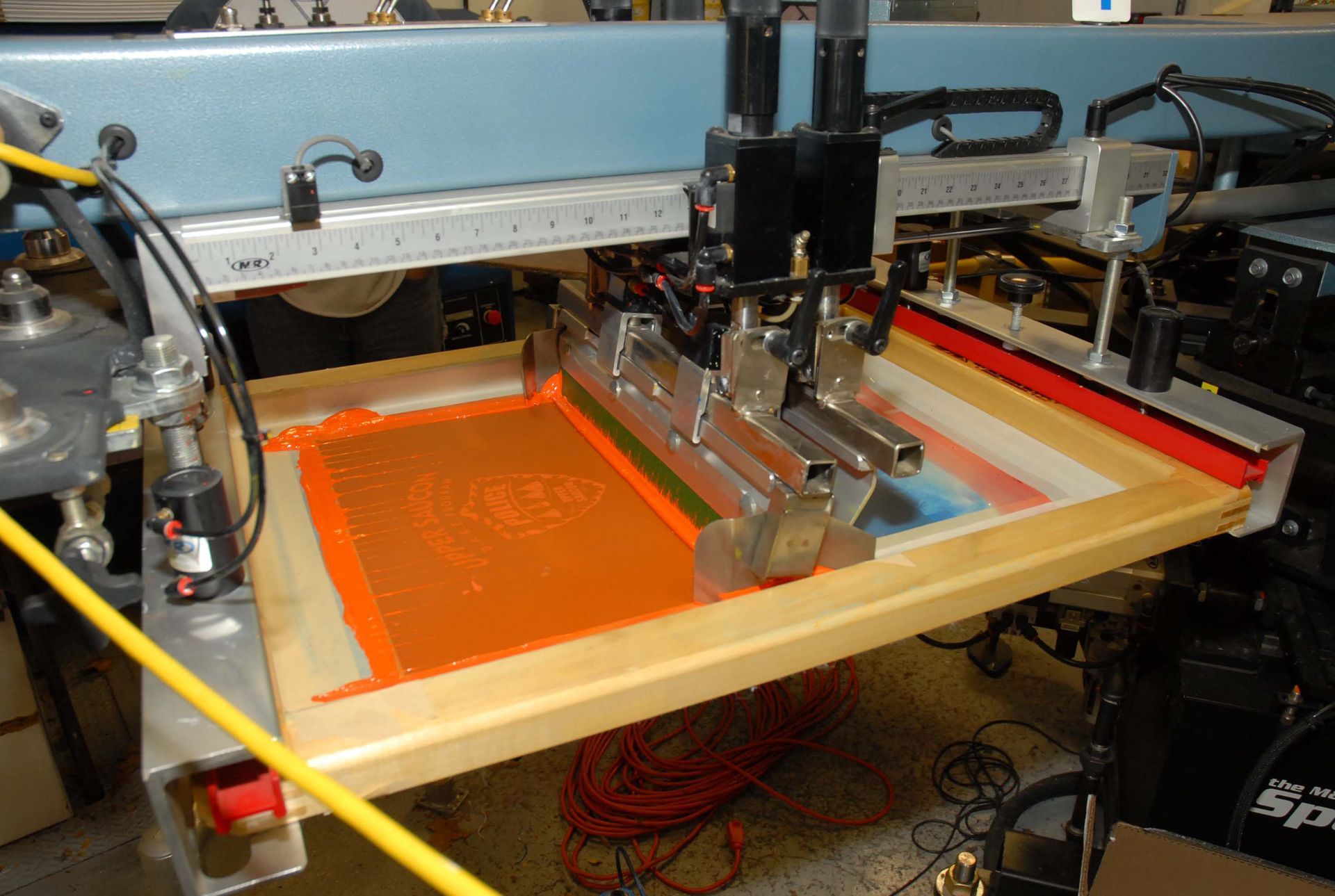
The construction of a garment can significantly affect print quality. Screen printing generally performs best when the printing surface is relatively flat and even. Seams, pockets, zippers, and other raised features can interfere with consistent contact between the screen and garment. These variations in height may create gaps in the design, inconsistent ink coverage, or registration problems that affect how multiple colors align.
Printing directly over a seam can be particularly challenging because the raised ridge interrupts the surface beneath the design. The ink may not transfer evenly across that area, which can make portions of the graphic appear to be incomplete. Similar concerns can arise around pockets and zippers. Evaluating the garment before production allows the printer and customer to select a placement that avoids these obstacles whenever possible.
Experience Can Improve Production Decisions
Professional experience can be valuable when a project involves variables that are not immediately obvious to the customer. Different garments respond differently to ink, pressure, and placement. A printer with extensive hands-on knowledge can recognize potential concerns before they become production problems, helping customers avoid choices that may compromise the appearance of the finished shirts.
This expertise is especially useful when ordering apparel for groups. Whether the project involves employee uniforms, shirts for events, promotional apparel, or another large order, consistency matters. Customers generally want the design to maintain a similar appearance from one garment to the next. Careful setup and attention throughout the process help support that goal.
According to WifiTalents, approximately 80% of apparel companies use screen printing for at least some portion of their production. That widespread use reflects the method's established role in apparel production, particularly when businesses and organizations need a reliable way to reproduce custom designs across multiple garments. Working with a screen printing company gives customers access to a process designed specifically for this type of repeatable production.
Tailoring the Screen Printing Process to the Customer's Project
Garment Selection Establishes the Foundation
The shirt itself is one of the first and most important decisions in a custom apparel order. Weight, texture, fabric composition, color, and fit can all influence the finished product. A shirt that works well for an outdoor event may not be the best choice for employee uniforms, while apparel intended for casual promotion may require different considerations than garments designed for frequent wear.
Garment color should also be evaluated alongside the artwork. The contrast between the fabric and ink can affect visibility, particularly when the design includes small text or detailed elements. A design with dark colors may appear differently on a dark shirt than on a light garment, for example. Considering those relationships before production helps create a design that remains easy to see and visually balanced.
A knowledgeable screen printing company can help customers narrow their options based on the needs of the project. Rather than selecting apparel based only on appearance, customers can consider how the garment will support the design and intended use. This planning can lead to a more cohesive final product that combines the right apparel with an appropriate printing approach.
Design Placement Requires More Than an Estimate
Placement can determine whether a custom design looks intentional and well-proportioned on the finished garment. A graphic that is too large for the available print area may appear crowded, while a design that is too small can lose visual impact. The dimensions of the artwork should be considered in relation to the shirt size and the location where the print will appear.
Different placements can also introduce specific production considerations. A design positioned near a seam or pocket may need to be moved to avoid uneven surfaces. A sleeve print must account for the narrower printing area, while a large back design requires enough space to maintain the artwork's proportions. These details are easier to address before production than after garments have already been printed.
Complex Garments May Need Additional Planning
Some apparel styles require more consideration because of their construction. Hoodies, for example, may include double-lined hoods, seams, pockets, and other features that affect where and how a design can be printed. A hood print may work differently depending on whether it's a single-lined or double-lined hood, while printing over seams can create alignment concerns.
Pockets can also affect production. In some situations, they may need to be secured before printing, and that process can introduce additional considerations. Multiple ink colors may present further registration challenges on certain garment constructions. Understanding these limitations in advance helps customers choose a design and placement that are realistic for the apparel they want to order.
Working with a screen printing company is particularly useful when customers are unsure how a garment's construction may affect the final design. Instead of discovering limitations after making all the selections, they can receive guidance while the project is still being planned. That allows the artwork, garment, and placement to work together more effectively.
Custom shirts are most effective when the garment, design, ink, and placement are considered as parts of one complete project. Professional printing support can help customers navigate those details while reducing uncertainty throughout the ordering process. Whether the goal is to promote a brand, outfit a team, support an event, or create apparel for another purpose, working with an experienced screen printing company can help turn an idea into a polished, cohesive finished product. Contact Freestyle Graphics today to discuss your custom shirt project and get started with a free same-day estimate.
Share On: