Screen Printing vs. Embroidery: Which Is Best for Your Apparel Needs?
Choosing the right decoration method for custom apparel can make a significant difference in appearance, durability, and overall value. Whether you are ordering uniforms for employees, promotional shirts for an event, or branded merchandise for customers, selecting the appropriate process helps ensure your investment meets your expectations. Many businesses compare options offered by screen printing companies to determine which solution best aligns with their budget, branding goals, and intended use.
Both screen printing and embroidery have earned strong reputations because they offer unique advantages. One creates bold, vibrant graphics that stand out across large designs, while the other delivers a textured, professional finish associated with premium apparel. According to Printful, screen printing accounts for roughly 56% of the shirt printing industry, demonstrating its continued popularity among businesses and organizations looking for reliable customization methods.
Understanding the strengths and limitations of each process allows you to make an informed decision instead of relying solely on price. Factors like garment type, design complexity, quantity, and expected wear all influence which option delivers the best results. By evaluating these considerations carefully with screen printing companies, you can confidently choose apparel that represents your brand in the best possible way.
Comparing Appearance
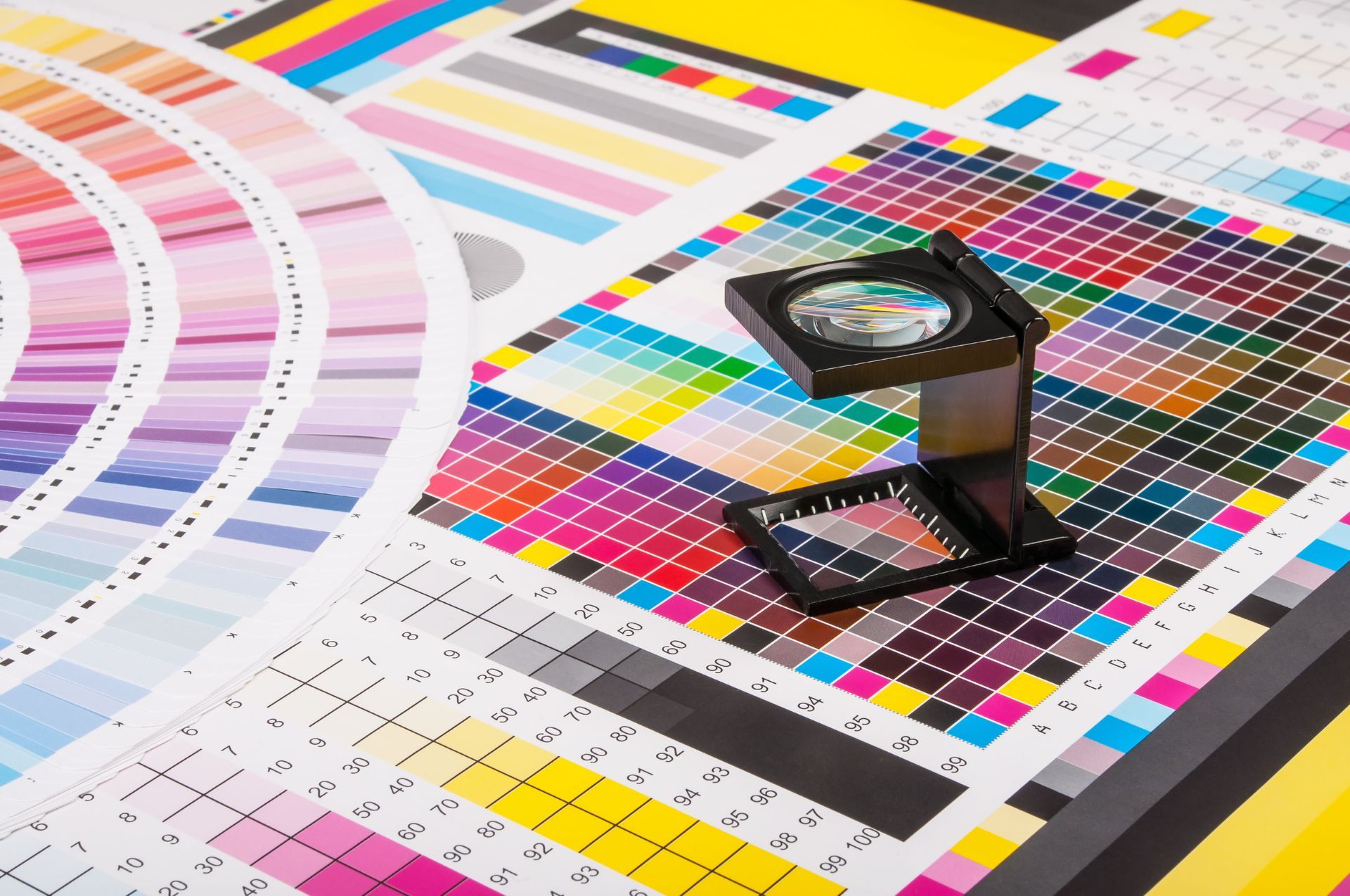
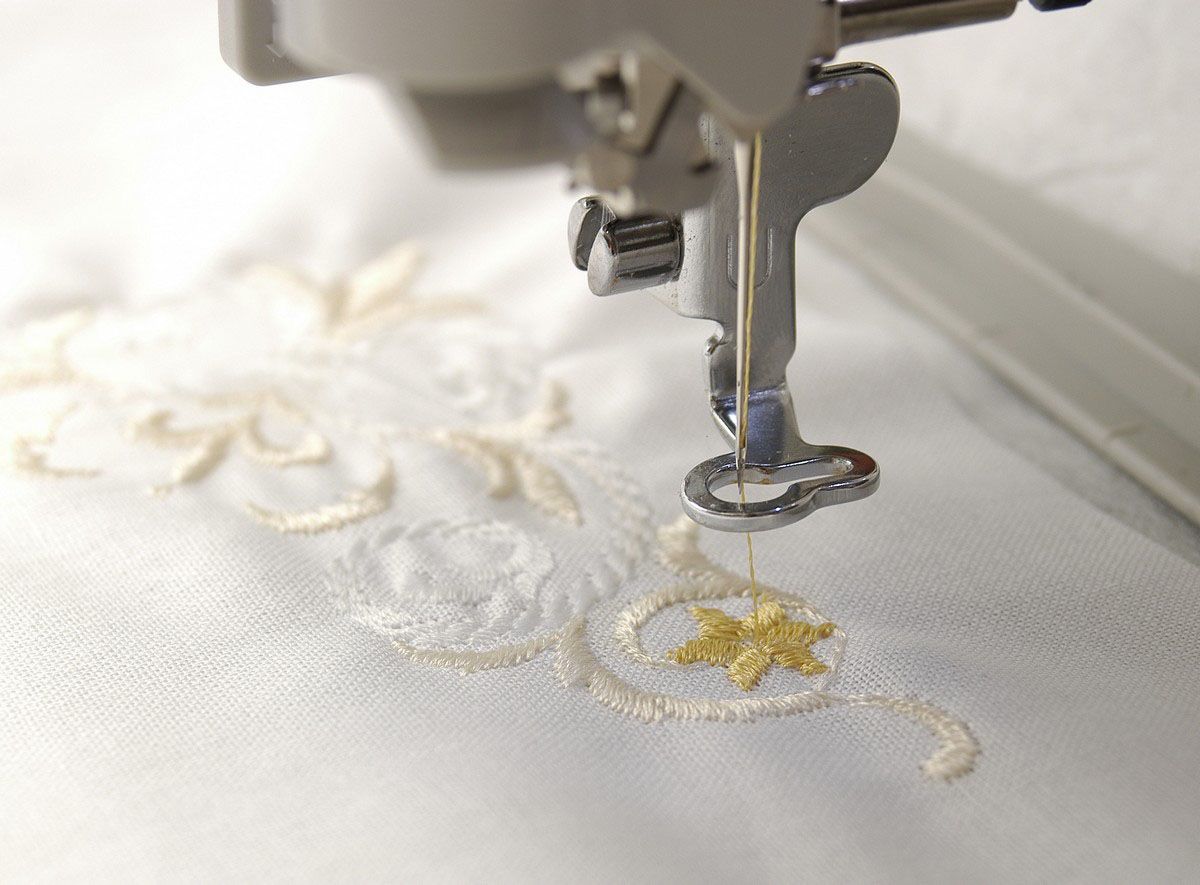
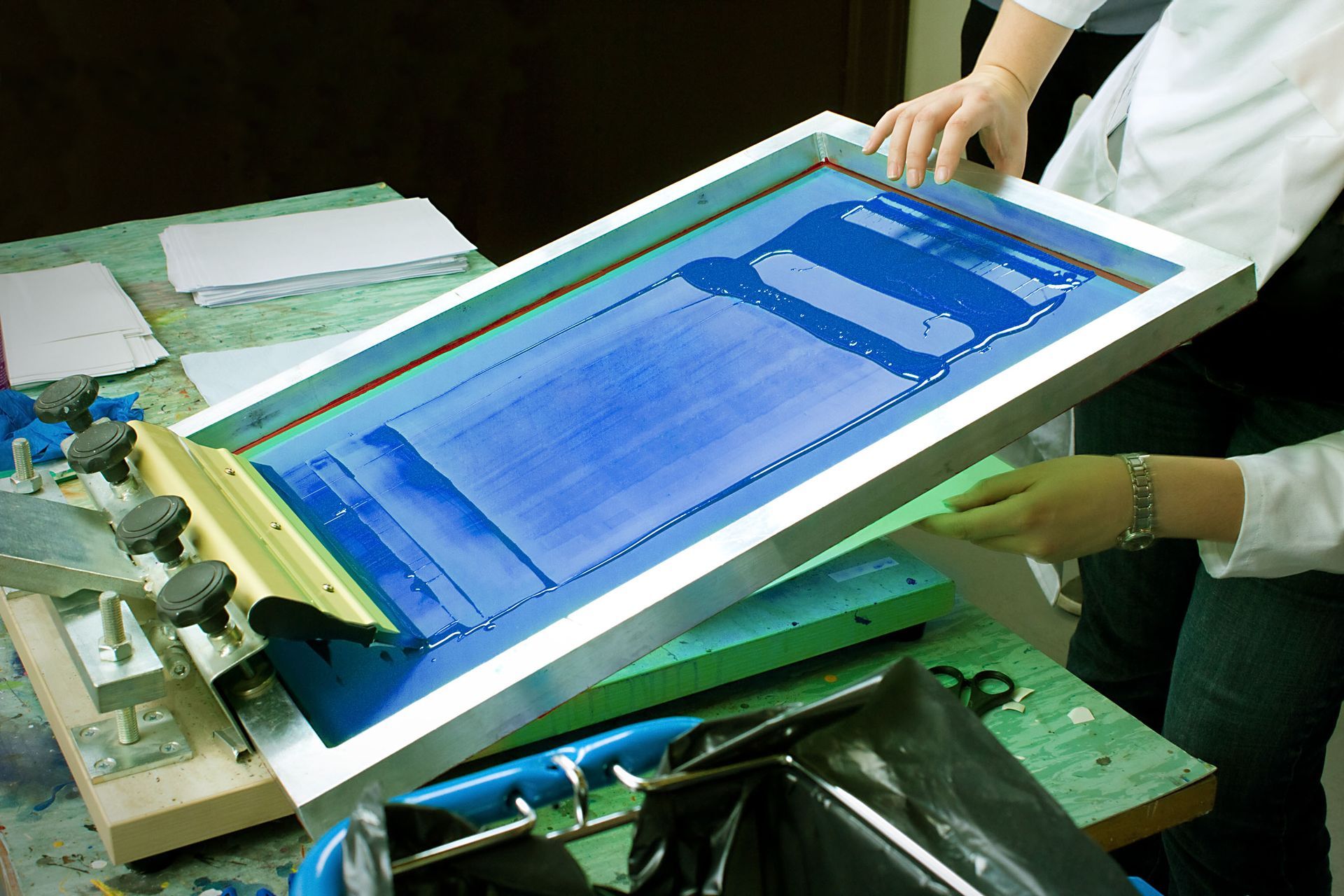
The first difference most people notice between screen printing and embroidery is how the finished design looks. Screen printing applies ink directly onto the garment, creating smooth, colorful graphics with crisp details. Embroidery, on the other hand, stitches thread into the fabric, producing a textured design with noticeable depth and dimension.
Many screen printing companies recommend printing when customers want detailed artwork or large graphics across the front or back of a shirt. Multiple ink colors can reproduce logos, illustrations, photographs, and gradients with impressive clarity. This flexibility makes screen printing especially popular for promotional apparel, event shirts, sports teams, and retail merchandise.
Embroidery excels when a polished, upscale appearance is the priority. Thread creates a sophisticated finish that works particularly well for company polos, jackets, hats, and uniforms. Because the design is stitched rather than printed, embroidered logos often communicate professionalism and permanence.
Design size also affects the decision. Large embroidered graphics can become stiff, heavy, and expensive due to the number of stitches required. Screen printing handles oversized artwork more efficiently while maintaining comfort and flexibility throughout the garment.
Evaluating Durability
Durability is another important consideration when selecting custom apparel. Both methods produce long-lasting decorations, but each performs differently depending on how the garments are used and maintained. Understanding these differences helps ensure the finished products continue looking their best over time.
Professional screen printing companies use quality inks and curing techniques that allow printed graphics to withstand repeated washing without significant fading or cracking. Properly printed garments retain vibrant colors through years of regular wear when laundering instructions are followed. Modern printing technology has significantly improved both longevity and overall print quality.
Embroidery is known for exceptional resistance to wear because the design consists of stitched thread rather than surface ink. Logos generally maintain their appearance even after extensive washing, making embroidered apparel a preferred option for uniforms worn frequently throughout the workweek. However, snagging on sharp objects can occasionally damage embroidered threads.
Garment material also influences long-term performance. Lightweight performance fabrics may accommodate printed designs more comfortably than dense embroidery. Conversely, heavier garments like fleece jackets or structured polos often provide an excellent foundation for embroidered logos that maintain their professional appearance.
Comfort deserves consideration as well. Printed graphics generally remain smooth against the fabric, especially when covering larger areas. Embroidery introduces additional thickness that may be noticeable depending on stitch density and placement.
Considering Cost
Budget plays a major role in virtually every apparel purchasing decision. While both customization methods offer excellent value, their pricing structures differ considerably depending on order quantity, artwork, and garment selection. Understanding these variables helps buyers maximize their investment.
Many screen printing companies become increasingly cost-effective as order quantities grow. Once screens have been created for each ink color, producing additional shirts becomes relatively economical. This makes screen printing an outstanding choice for schools, businesses, nonprofit organizations, festivals, and sports leagues ordering large batches of apparel.
Embroidery pricing typically depends on stitch count rather than ink colors. Intricate logos with numerous stitches require more production time, increasing overall costs. Small left-chest logos remain affordable, but large embroidered designs often become substantially more expensive than comparable printed graphics.
Artwork complexity can influence pricing differently for each process. Screen printing handles colorful artwork efficiently, although each color generally requires a separate screen during production. Embroidery may simplify certain designs to ensure clean stitching while maintaining durability and readability.
Project timelines should also factor into the decision. Production schedules vary depending on artwork approval, order size, and customization requirements. Working with experienced providers helps establish realistic expectations while ensuring projects remain on schedule.
Selecting the Right Solution
Ultimately, choosing between screen printing and embroidery depends on your specific objectives rather than identifying one universally superior option. Every project presents unique priorities involving appearance, performance, budget, and intended audience. Evaluating those priorities leads to better long-term satisfaction.
Experienced screen printing companies often guide customers through the selection process by reviewing artwork, garment choices, and expected usage. Their expertise helps identify potential challenges before production begins while recommending solutions that balance quality and cost. Professional consultation frequently prevents costly mistakes and improves overall project outcomes.
Businesses seeking promotional T-shirts for community events, product launches, or employee appreciation programs often benefit most from screen printing. Vibrant graphics, comfortable wear, and economical pricing make printed apparel highly effective for large-scale distribution. These shirts also provide excellent brand visibility wherever recipients wear them.
Organizations looking for executive apparel, hospitality uniforms, or corporate polos frequently prefer embroidery because of its refined appearance. The raised stitching conveys professionalism while standing up well to frequent workplace use. Embroidered garments can reinforce a company's image by creating a polished, cohesive look among staff members.
Some organizations successfully combine both decoration methods within a single branding strategy. Screen-printed T-shirts may be distributed during public events, while embroidered polos and jackets are reserved for management or customer-facing employees. This balanced approach allows businesses to maximize both value and visual impact across different apparel categories.
Another advantage of partnering with knowledgeable screen printing companies is access to recommendations about garment quality, fabric compatibility, color selection, and artwork optimization. Their experience allows them to match decoration methods with specific apparel styles that deliver the best possible finished product. That guidance helps ensure every order reflects the professionalism and consistency your brand deserves.
Both screen printing and embroidery offer outstanding ways to customize apparel, but the right choice depends on your goals, budget, design, and intended use. Screen printing provides vibrant graphics, affordability for larger orders, and exceptional versatility, while embroidery delivers a premium, textured appearance that works especially well for professional uniforms and branded apparel. By carefully evaluating your project's requirements, you can confidently choose the option that provides the greatest value and lasting impact, whether you work with
screen printing companies or embroidery specialists.
At Freestyle Graphics, we take the time to understand your goals before recommending the best customization method for your apparel. We are committed to producing high-quality custom garments that help your brand make a lasting impression. Contact us today, and let us create apparel you'll be proud to wear and share.

Share On: