
4 Differences Between Good and Bad Embroidery
The timeless art of embroidery is celebrated for its intricate beauty and creative potential, yet not all pieces share the same caliber of craftsmanship. Discerning the quality of an embroidered item requires a keen eye for detail and an understanding of the technical elements that separate professional work from amateur attempts. When you seek a professional embroidery service, you are looking for a blend of durability, aesthetic precision, and high-grade materials that elevate a garment from a simple item to a work of art. Understanding these nuances can significantly enhance your appreciation for this craft while helping you make better purchasing decisions.
1. Thread Quality and Composition
The thread is the soul of any embroidery piece, and its quality can either make or break the final product. High-quality threads typically feature a superior material composition, often including natural fibers like long-staple cotton and silk or high-grade synthetics such as trilobal polyester. These materials provide a natural sheen and a smooth finish that enhances the overall texture of the design. A professional embroidery service will prioritize threads with excellent color fastness, ensuring that the vibrancy of the design remains intact even after multiple washes and long-term exposure to sunlight.
Thread strength is equally crucial when assessing the longevity of a piece of apparel or decor. Durable threads ensure that the stitches remain intact through various stresses, including regular wear and environmental exposure. Weak, low-quality threads tend to fray or break easily, which compromises the integrity of the design and leads to premature wear that ruins the aesthetic. The tactile experience of high-quality thread is smooth and consistent, allowing for the execution of highly detailed and precise patterns without unwanted clumping or rough patches.
Expert embroiderers also understand the vital relationship between thread weight and fabric density. Using a heavy, abrasive thread on a delicate silk blouse would be a technical mistake, just as a thin thread would get lost on heavy canvas. By selecting the right thread for the specific project, the artist ensures that the embroidery does not distort or overwhelm the garment. Ultimately, the quality of the thread serves as the fundamental foundation for every other artistic element of the design, providing both the color and the structural support needed for excellence.
2. Stitch Consistency and Tension
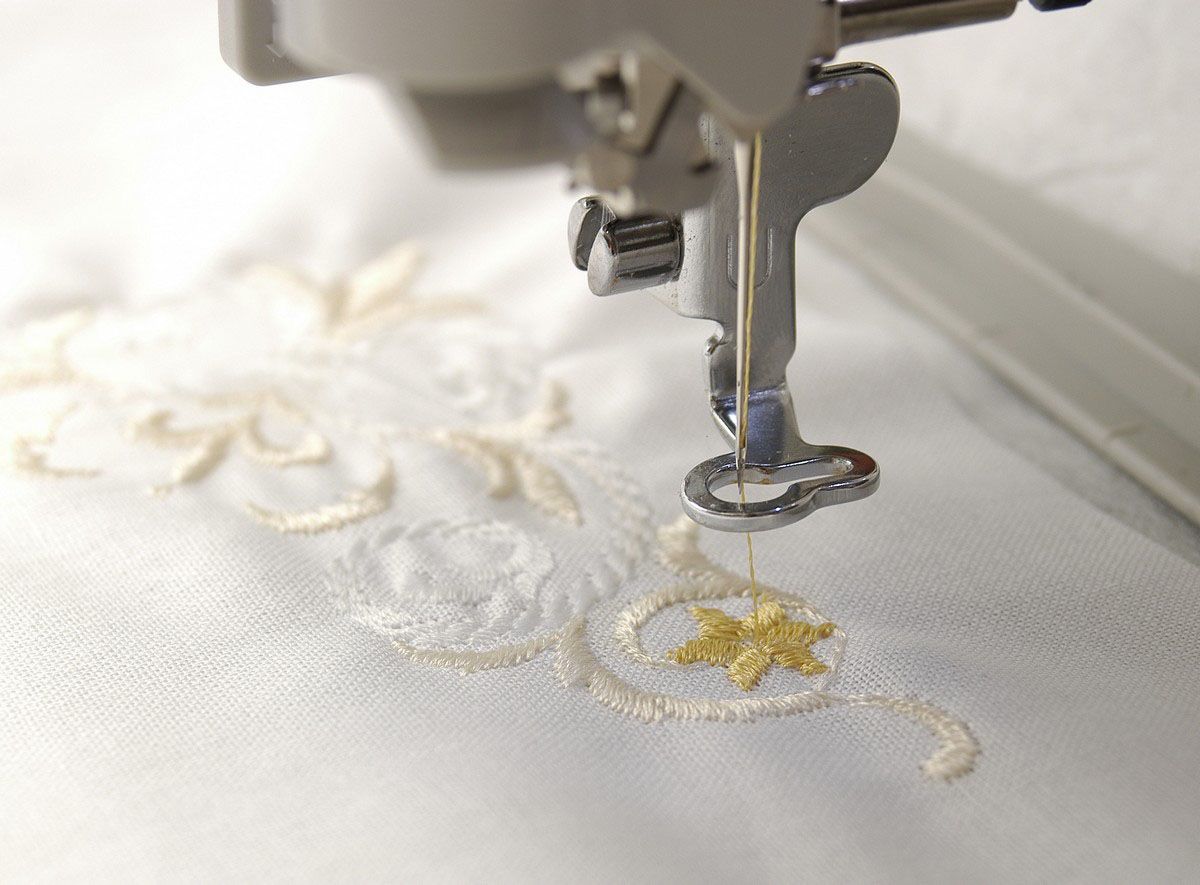
Stitch consistency forms the foundation of high-quality embroidery, dictating both the appearance and the lifespan of the work. Evenness and tension are critical factors; if the tension is too tight, the fabric will pucker and distort, whereas loose tension leads to loops and sagging threads. Proper tension ensures that the design lies perfectly flat against the material, maintaining the creator's intended aesthetic without creating unsightly bulges. When you utilize an expert embroidery service to ensure consistency, you are investing in a product where every stitch is uniform and secure.
Alignment and spacing are additional factors that significantly impact the visual flow of the embroidery pattern. When stitches are perfectly aligned, they create a clean, professional look that highlights the complexity of the pattern and the skill of the operator. Proper spacing prevents overcrowding, which can cause the fabric to become stiff, or gaps that allow the underlying material to show through and diminish the color. While hand stitching offers a unique, artisanal touch, modern technology has set a high bar for precision and output in the commercial sector.
According to Precedence Research, the global embroidery machine market is valued at $5.90 billion in 2025, reflecting the massive industrial demand for perfectly consistent, high-speed production across the globe. Machine stitching is revered for its speed and microscopic precision, yet it often works best when guided by an expert who understands the nuances of the craft. High-quality work often marries the efficiency of technology with the careful oversight of a human designer who can adjust settings for specific fabric types. Inconsistent stitches remain the most obvious sign of poor embroidery, as they lead to a messy appearance that lacks professional polish.
3. Design Precision and Digitizing
Clarity of the pattern is a major differentiator between high and low-quality embroidery results. A clear pattern reflects meticulous planning and a deep understanding of how threads interact with physical space on a garment. Good embroidery showcases the artist's intent clearly, with sharp edges and distinct shapes that do not bleed into one another or become lost. In contrast, poorly executed designs often look muddy or unrecognizable, leaving the observer confused about the intended image or logo. Skilled embroidery service artists spend significant time in the "digitizing" phase to ensure that the digital design translates perfectly into physical stitches.
Precision also involves maintaining perfect symmetry and proportion throughout the design process from start to finish. Symmetry ensures a balanced look, which is particularly important for corporate logos and geometric patterns where even a slight deviation is noticeable to the eye. Proportion keeps the design aligned with the intended scale of the garment, ensuring that the embroidery does not look too small or overwhelmingly large. These elements work together to enhance the complexity of the design, generating a professional outcome that commands respect and admiration.
Handling complexity efficiently is another hallmark of superior craftsmanship in the modern era. The ability to manage intricate designs without losing detail or clarity highlights an artisan's expertise and their mastery of the machinery. Skilled embroiderers effectively utilize negative space to amplify the main elements of the design, ensuring the piece does not look cluttered or heavy. They also adapt the stitching direction to follow the natural movement of the fabric, which prevents the design from looking "stiff" or unnatural when worn. These factors are pivotal in distinguishing a masterpiece from a subpar attempt at textile decoration.
4. Fabric Compatibility and Stabilization
The fabric acts as the canvas for the embroidery, and its selection is just as important as the design itself. Understanding the weight and weave of the fabric is essential for selecting the correct embroidery techniques and needle sizes. Fabrics with tight weaves, such as twill or heavy cotton, provide a stable foundation for dense and intricate designs. Conversely, loose-weaved or stretchy fabrics require specialized stabilizers to prevent the design from shifting or "sinking" into the fibers during the stitching process.
Another component of fabric compatibility is its resistance to the mechanical stress of the embroidery process. High-quality fabrics can endure thousands of needle penetrations without fraying, tearing, or thinning, which is essential for the longevity of the piece. The chosen fabric should ideally complement the thread type to ensure a cohesive interaction between the two elements. For example, a delicate linen requires a light touch and thin thread, while industrial workwear demands heavy-duty materials and thick, strong threads. Ensuring harmony between the base material and the embellishment strengthens the overall resilience of the finished product.
As the industry continues to evolve with new technologies and innovative materials, the core principles of quality remain the same as they have for decades. Creators who push their limits and master these technical details will always produce work that stands out from the competition. Meanwhile, informed consumers can make decisions that prioritize longevity and aesthetic excellence over the lowest possible price. Ultimately, superior embroidery is a testament to the skill of the artist and the quality of the tools they use to bring a creative vision to life. For more information, contact Freestyle Graphics.

Share On: